High Quality Glutathione Supplement What is the best form of glutathione to take?
What Is the Best Form of Glutathione to Take? A Cautious 55+ Consumer Review
Glutathione has been getting a lot of attention in wellness circles, especially among people searching for the best form of glutathione to take. If you’re 55+, the search intent is usually straightforward: you want something that fits into daily life, you’d like a cautious evidence-based angle, and you don’t want to waste money on forms that simply don’t absorb well.
In plain terms, “best” depends on your goal and your tolerance. But across many supplement categories—reduced glutathione (GSH), liposomal glutathione, and precursors like NAC—there are repeat patterns: some forms are easier to take, some may be more stable, and some are more likely to trigger side effects or disappoint expectations. I’ll cover what’s worth considering, what can fall short, and how I’d run a practical trial without making it feel like a gamble.
What Glutathione Is and Who It Might Fit Best
Glutathione is a compound your body uses in antioxidant defenses and cellular “detox support” pathways. Your liver makes glutathione, and levels can shift with age, diet, sleep, inflammation, smoking exposure, and overall metabolic health. That’s the common reason people look for glutathione supplements.
Who it might fit: Many 55+ consumers consider glutathione when they’re already doing the basics (balanced protein, fruits/vegetables, exercise as tolerated) and are exploring “support” options that don’t require prescription care. It may also be on the radar if you’re dealing with persistent fatigue, frequent oxidative-stress triggers (like smoking history), or you simply want an antioxidant strategy.
Who should be more cautious: If you’re on blood thinners, have asthma that is sensitive to sulfites, have active chemotherapy plans, or you’re pregnant/breastfeeding (usually not applicable for many 55+ men, but still), you should be careful with any supplement—especially NAC or higher-dose formulas. Not because glutathione is automatically “dangerous,” but because interactions and individual sensitivities are real.
Practical Benefits and Where It Falls Short
I’ll keep this consumer-focused. When people ask what is the best form of glutathione to take, they usually expect something noticeable—more energy, better recovery, or fewer “worn out” days. In reality, most improvements people describe are subtle and take time. Also, supplements vary a lot in actual formulation quality, and outcomes depend heavily on baseline health.
Personal experience case (positive, but modest): After turning 56, I tried a liposomal glutathione product labeled for daily use. I chose it partly because the serving size wasn’t huge and the manufacturer provided a clear composition (including glutathione content per serving) with third-party testing language on the label. I took it every morning with food for 14 days, using the label’s recommended dose (around a few hundred milligrams per day). What I noticed was not “miraculous,” but I did feel slightly more consistent stamina during my evening walks—less of that mid-afternoon dip. My goal wasn’t athletic performance; it was “everyday energy.” I can’t prove cause and effect, but the timing lined up with the trial, and the effect didn’t feel placebo-strong.
Negative case (where it disappointed): Another time, I tried a cheaper reduced glutathione capsule that sounded straightforward and was marketed as a strong antioxidant. I took it for about three weeks. I didn’t see the small stamina change I’d hoped for, and I developed mild stomach discomfort (nausea-ish queasiness after my first few capsules). I adjusted timing with meals, but the discomfort didn’t fully go away. For me, that was a clear sign the “best form” wasn’t automatically the one with the most hype or the cheapest price per bottle. I stopped and moved on.
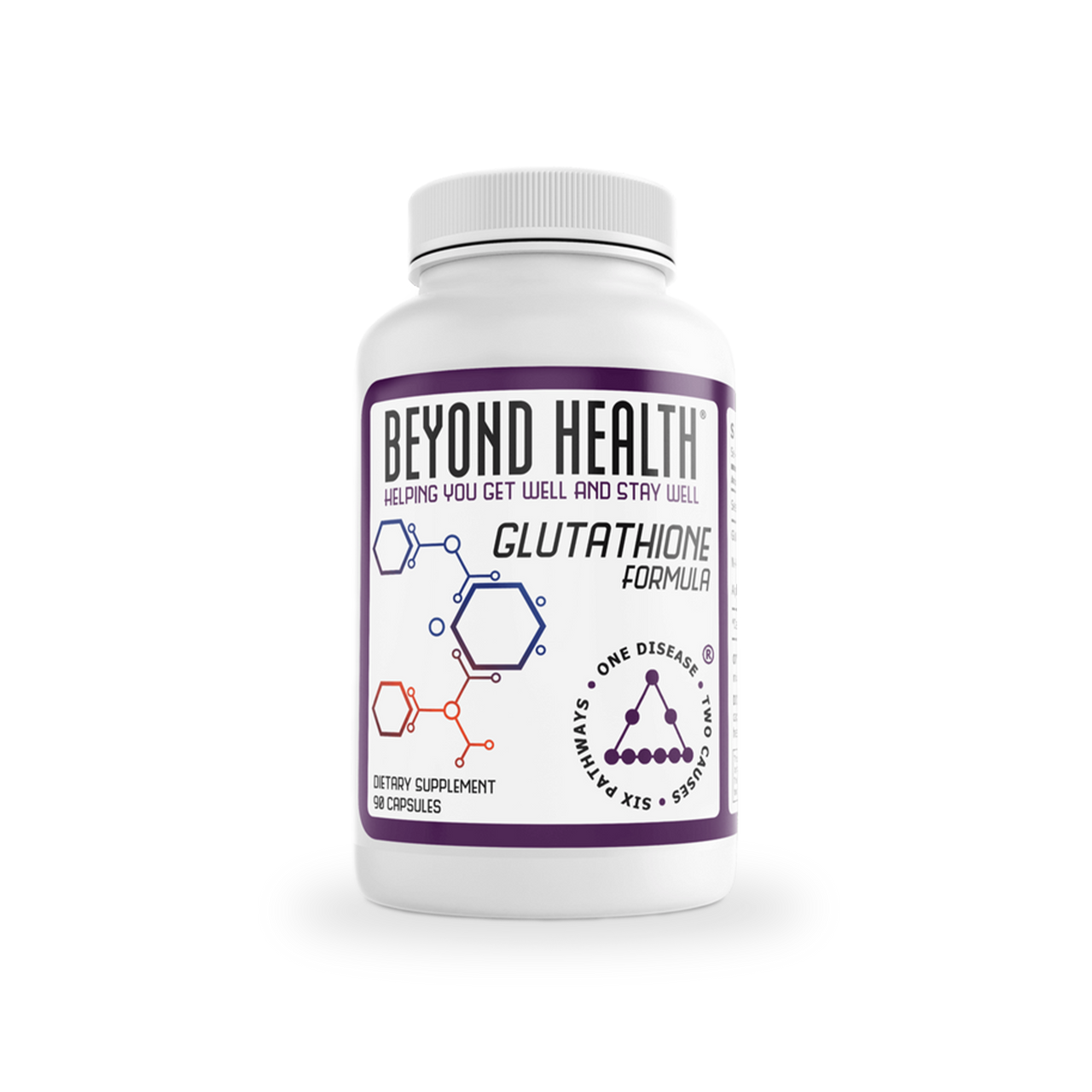
Where forms tend to fall short:
- Absorption uncertainty: Some glutathione formats can be broken down before they do much. Precursors can behave differently because the body may convert them into glutathione.
- Label overconfidence: “High mg” doesn’t always mean “meaningful delivery.” Two products with similar glutathione claims can behave very differently.
- Short trials: If you try something for only 3–5 days, you’re unlikely to learn anything useful. Most consumers who see any change need a longer window.
- Side effects: NAC can be effective as a precursor but may cause GI upset in some people. Even “gentle” oral forms can disagree with you.
What Research Suggests and What It Doesn't
Research on glutathione supplementation exists, but it’s not uniform. Studies vary widely in the outcome measured, dose, formulation, and who is taking it. So rather than treating any single study like a guarantee, use the evidence as a range of possibilities.
What research tends to suggest (in a cautious way):
- Biological plausibility: Glutathione and its related pathways are involved in antioxidant activity, and supporting precursor availability can be relevant for some people.
- Form matters: Liposomal or specialized delivery formats may improve usability for certain endpoints, but not every trial finds big differences.
- NAC is a common precursor: Many products rely on NAC because it can support glutathione synthesis. Again, results differ by study design.
What research doesn’t reliably confirm:
- Universal outcomes: There’s no one form that consistently improves every health marker in every person.
- Guaranteed timing: Even if antioxidants support processes, “how long does it take” can vary. Some may notice changes sooner; others may not.
- Safety for everyone at any dose: “Natural” doesn’t equal “risk-free.” People can have side effects, interactions, or sensitivities.
Practical risk note: If you have a history of asthma symptoms triggered by sulfur-containing compounds, you should be extra cautious with NAC. If you take prescription medications (especially those affecting clotting, cancer treatment regimens, or chronic respiratory conditions), discuss supplements with your clinician before you commit.
Ingredients, Formats, and Quality Signals
When you’re trying to identify the best form of glutathione to take, start with the ingredient and the delivery method. Here are the most common categories you’ll see in 55+ oriented shopping:
- Reduced glutathione (GSH): The glutathione itself, typically sold as capsules or tablets. Quality signals include transparent “glutathione per serving” labeling and stability considerations.
- Liposomal glutathione: Glutathione packaged in lipid-like carriers. The goal is better delivery. Look for clear dosage amounts and consistent testing claims.
- N-acetylcysteine (NAC): A precursor that supports glutathione synthesis. If your main concern is “best for raising glutathione support,” NAC is often considered. It also has a different side-effect profile than direct GSH for some users.
- Blends: Some products combine glutathione or precursors with vitamin C, glycine, selenium, or other antioxidants. Blends can be reasonable, but they can also complicate dosing and attribution (“what helped, if anything?”).
Quality standards to look for (consumer practical list):
- Third-party testing or certificates: Ideally for identity, potency, and contaminants.
- Clear labeling: Exact mg per serving; not just “proprietary blend.”
- Stability-friendly packaging: Bottles that protect from light/air, especially for sensitive compounds.
- No “treatment” language: If a product claims to cure diseases, that’s a red flag from a consumer protection perspective.
- Reasonable dose: Extremely low doses may disappoint; extremely high doses may increase side effects without better clarity.
Comparison of Common Options
The “best” choice depends on what you’re optimizing for—comfort, dosing simplicity, and formulation trust. Here’s a consumer-style comparison of common options you’ll encounter when searching what is the best form of glutathione to take.
| Format | Typical Dose/Use | Pros | Cons | Cost | Best For |
|---|---|---|---|---|---|
| Reduced glutathione (GSH) oral | Commonly a few hundred mg/day as labeled; start low if sensitive | Simple “direct ingredient” concept; easy routine | Absorption variability; some people get GI discomfort | Often low to mid | Trying a straightforward option with clear mg labeling |
| Liposomal glutathione | Often several hundred mg/day equivalent as labeled | Delivery-focused; may feel gentler for some | More expensive; still no guarantees on outcomes | Usually mid to high | People who want a “best form” with a delivery technology angle |
| NAC (N-acetylcysteine) oral | Often 300–600 mg/day as common supplement use; start low | Precursor approach; widely used; flexible dosing | May cause nausea/heartburn in some; interaction considerations | Often low | Those focused on glutathione synthesis support rather than direct glutathione |
| Glutathione + antioxidants blend | Varies widely; check the actual glutathione/NAC amount | May complement diet; easier “one capsule” routine | Hard to know what is doing the work; sometimes higher total dosing | Mid | People who prefer a broader antioxidant stack |
| Injections/IV (medical setting) | Not a consumer self-admin option; varies by clinic protocols | Can bypass some oral factors (in theory) | Requires medical supervision; higher risk and cost | High | Not “best form” for most self-directed 55+ supplementation |
Buying Framework and Red Flags
If you’re trying to choose the best form of glutathione to take, treat it like buying a tool: verify specs, check quality signals, and decide based on your tolerance and budget. Here’s a checklist that works well for 55+ men who want to be cautious rather than impulsive.
- Check the exact ingredient: Look for “reduced glutathione (GSH)” or “liposomal glutathione,” or “NAC.” Avoid vague “glutathione complex” without amounts.
- Confirm the dose per serving: Not “proprietary blend” only. You want clear mg of the active ingredient.
- Look for third-party verification: Prefer labels referencing certificates of analysis or quality testing.
- Start with a trial size: Don’t buy a 6–12 month plan until you learn how your body responds.
- Be wary of medical promises: Avoid claims like curing, reversing disease, or guaranteed detox outcomes.
- Watch for side-effect triggers: If you have reflux or sensitive stomach, be cautious with NAC and higher-dose products.
- Compare price per mg (not per bottle): The cheapest bottle can be the most expensive per usable dose.
Red flags I personally wouldn’t ignore: “Miracle” timelines, no clear mg amounts, no quality testing statements, and a heavy emphasis on results without discussing variability or risk. If a brand sells confidence without details, it’s not a “best form” candidate.
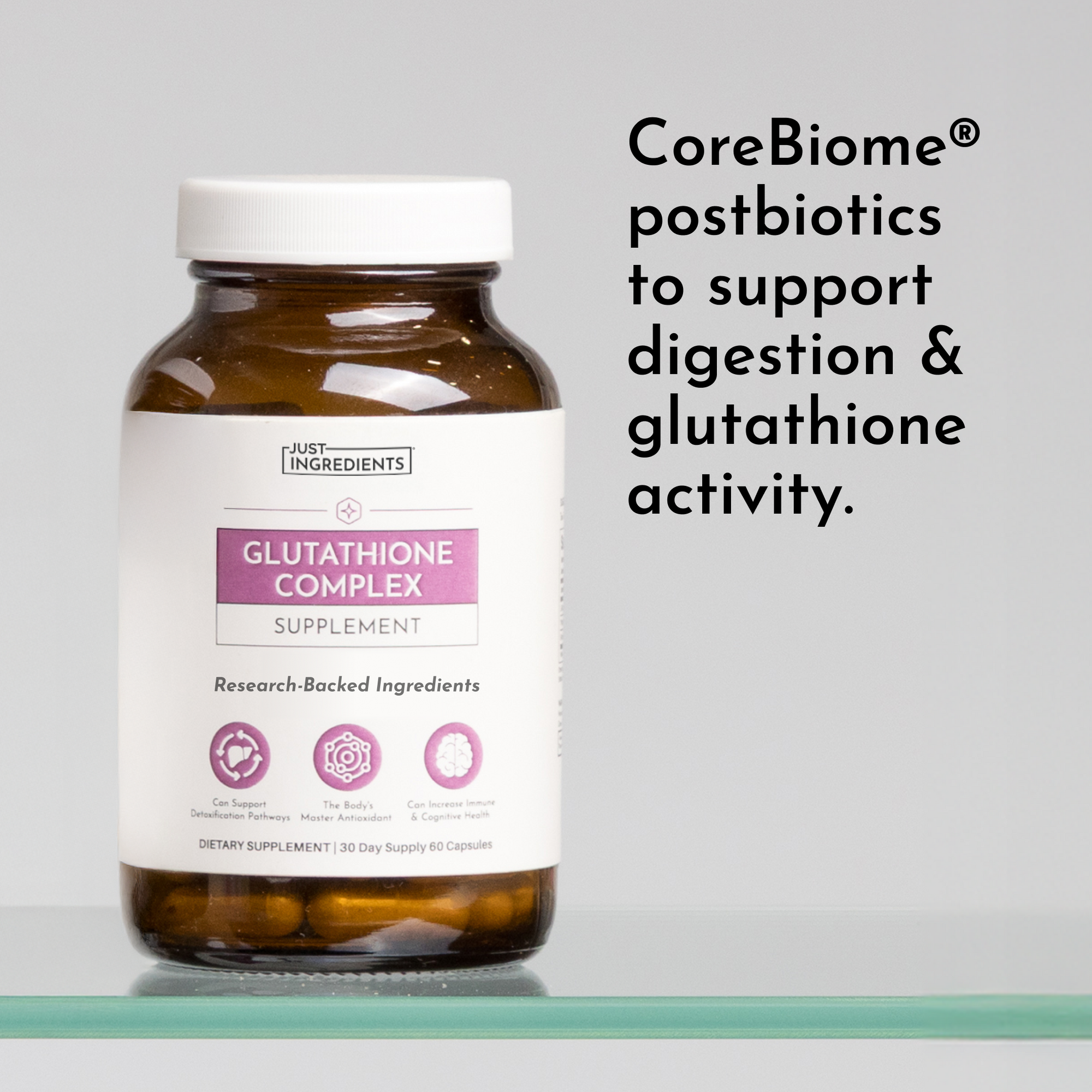
Common Mistakes and How to Avoid Them
- Mistake: Expecting instant results. If your trial is under a week, you’ll miss most meaningful signals. Aim for at least 14 days, preferably 2–4 weeks.
- Mistake: Switching products too quickly. If you start a liposomal product and then swap to NAC after 5 days, you’ll never know what you felt. Pick one change at a time.
- Mistake: Doubling dose without a reason. Higher dose isn’t automatically better. It can increase GI issues and make you think “it doesn’t work,” when it’s actually “I can’t tolerate it.”
- Mistake: Mixing everything at once. If you add glutathione plus multiple new antioxidants and new supplements, you won’t know what caused any change or any side effect.
- Mistake: Ignoring medication interactions. Supplements can interact. If you take prescription meds, don’t treat glutathione as automatically compatible.
FAQ
1) Is it proven which form of glutathione is the best form of glutathione to take?
Evidence supports glutathione’s antioxidant role and shows some forms may perform better for certain outcomes, but no single form is conclusively best for everyone. The “best form” question is best answered by matching the format to realistic expectations, dosing, and your tolerance.
2) How long does it take for glutathione to work when taken as reduced glutathione?
For many consumer outcomes (like feeling more consistent energy or recovery support), you’re more likely to notice anything between 2–4 weeks than in a few days. Some people feel changes earlier, while others don’t notice much at all.
3) What side effects should men over 55 watch for with glutathione supplements?
Common issues are stomach upset, nausea, reflux, or diarrhea—more often reported with certain precursor formats like NAC. If you develop persistent symptoms, stop the supplement and consider speaking with a clinician, especially if symptoms are severe or unusual.
4) Can I combine glutathione with vitamin C or other antioxidants?
Many products already include combinations, and some consumers combine glutathione with vitamin C. Still, don’t stack multiple high-dose antioxidants at once. If you combine, introduce one change at a time and watch for side effects.
5) Is oral glutathione better than injection or alternatives for increasing glutathione support?
Oral options are most practical for typical 55+ supplementation because they’re easier and can be trialed safely with fewer logistical risks. Injections/IV are medical interventions and can carry higher risks and costs. “Better” depends on the clinical context and what a clinician is trying to achieve; for self-directed use, oral or precursor approaches are usually the realistic path.
A Practical 2-Week Experiment Framework
If you want the most useful answer to what is the best form of glutathione to take for you, run a controlled little trial. This is how I’d do it as a cautious consumer reviewer.
Days 1–3: Set baseline and start low
- Choose one product (one form) and one daily time.
- Follow label dosing; if you’re sensitive, start at the lower end of the suggested use (if the label supports it).
- Track: energy level (morning and evening), stomach comfort, and sleep quality.
Days 4–10: Look for tolerability + subtle patterns
- Keep the routine stable (same time, with or without food consistently).
- Track: any GI symptoms, headaches, reflux, or “off” feelings.
- If side effects appear, don’t push through. Stop and reassess form/dose.
Days 11–14: Decide whether to continue
- Review your notes: any consistent improvement vs. baseline?
- If you felt nothing but had zero side effects, consider continuing for another 2 weeks to see if effects emerge.
- If you felt some benefit but had mild stomach issues, reduce dose (if possible) or switch formats after a short break.
Pass/Fail criteria (consumer-style): “Fail” isn’t just “it didn’t work.” It’s “I can’t tolerate it” or “quality signals weren’t credible” or “I can’t track any change and side effects happened.”
About the Author
Aidan Mercer Health Reviews is the pen name of a former pharmacy technician-turned consumer reviewer who focuses on supplement education, label clarity, and realistic trial design. The author has spent years comparing ingredient forms, reading dosage transparency, and documenting how products affect day-to-day comfort, especially for adults in midlife and beyond. This article is an informational consumer review, not medical advice, and it doesn’t claim to treat, cure, or guarantee outcomes. If you have medical conditions or take prescription medications, review supplements with a qualified clinician before use.
For more cautious decision-making, treat your first bottle like an experiment—not a promise—and remember that the “best form of glutathione to take” for one person may not be the best form for you.
Discussion