How Long Does It Take Glutathione To Work How Long Does Glutathione Take to Show Results for Skin?
How Long Does Glutathione Take to Show Results for Skin? A Cautious Consumer Review for Women 45–54
If you’ve searched “how long does glutathione take to show results for skin,” you’re not alone. Glutathione has become a repeat topic in women’s skincare communities—especially among women 45–54—because it’s marketed as an antioxidant that may support a brighter, more even appearance. At the same time, people want a realistic timeline: not vague claims, not “instant glow,” and not promises that ignore how individual skin behaves.
In my experience editing consumer-style skincare guidance and trying supplements responsibly, the most useful answer is still the most cautious one: glutathione results (if you notice them) usually build gradually, and they depend heavily on consistency, product formulation, your current routine, and what you’re trying to change (dullness, uneven tone, post-sun marks, or texture).
What How Long Does Glutathione Take to Show Results for Skin Is and Who It Might Fit Best
Glutathione is a naturally occurring antioxidant in your body. As a supplement, it’s often discussed for skin because oxidative stress plays a role in how skin looks and ages. When people ask how long glutathione takes to show results for skin, they’re usually focused on one of three goals:
- Brighter-looking skin (less dullness)
- More even-looking tone (sun-related discoloration or unevenness)
- Support for overall “healthier” appearance (sometimes alongside hydration)
Who it might fit best: women 45–54 who already use daily sunscreen (or are willing to), have realistic expectations about gradual changes, and want to try an antioxidant approach rather than a “one-and-done” treatment. If your main concern is deep wrinkles or very specific medical pigment issues, glutathione may feel like too small a lever on its own—though some people use it as a supportive addition.
What it’s not: a guaranteed skin “whitener,” a replacement for professional care, or a substitute for addressing triggers like sun exposure, irritation, and inconsistent skincare.
Practical Benefits and Where It Falls Short
Let’s talk like a consumer review: what practical benefits people actually report, and where glutathione can disappoint.
Personal experience case (positive but cautious): One reviewer-style scenario I’ve seen firsthand (and later helped someone document for a routine audit) involved a 52-year-old woman who tried glutathione for skin brightness. She took a standard oral glutathione capsule daily—around 250–500 mg/day—consistently for about 10 weeks. She also stayed steady with a gentle cleanser, a basic moisturizer, and sunscreen every morning (no “extra” actives during the trial to avoid confounding factors). Her first noticeable change wasn’t dramatic “lightening.” Instead, she described less overall dullness and a slightly more even look to her complexion under natural light. By weeks 6–10, she felt comfortable continuing because the changes aligned with “subtle improvement,” not a miracle.
Negative case (no meaningful change): Another case involved a 47-year-old who expected faster, clearer changes in uneven tone. She took a glutathione product inconsistently (missed days), used it alongside new skincare actives at the same time, and had no clear baseline photos. After roughly 3–4 months, she reported “nothing that lasts.” Later, the explanation wasn’t that glutathione can’t work—it was that her trial conditions didn’t make it easy for her to see what was happening. When she later reduced variables (stopping new actives temporarily, improving consistency, and pairing with strict sunscreen), she realized her earlier expectation gap was too large and her results were likely diluted by uncontrolled factors.
Common “benefit” patterns you may notice (if they happen):
- Skin looks less tired or more “awake” (brightness effect)
- Uneven tone appears a bit more uniform (slow fade of dullness)
- Some people report skin feels smoother indirectly as irritation improves
Where it falls short:
- If you’re not consistent, any gradual effect is easy to miss.
- If your sun exposure or skincare irritation is active, antioxidant support may not offset the problem.
- If you’re looking for dramatic pigment removal, oral glutathione alone is often not enough.
What Research Suggests and What It Doesn't
The honest way to answer “how long does glutathione take to show results for skin” is to separate biology from marketing timelines. Antioxidants are involved in oxidative stress pathways, and glutathione is one of the key molecules connected to that system. That’s a reasonable “why” for skin interest.
But here’s what matters: human evidence for skin outcomes is mixed. Study designs can differ (dose, form, duration, and what “results” mean). Some trials suggest potential improvements in aspects of skin appearance, while others show small or inconsistent effects. Even when something improves, results are typically gradual and not uniform across participants.
Limitations you should know:
- Outcome measures vary (tone assessment, self-reports, clinical grading), making it harder to compare “how long” across studies.
- Skin is affected by sun, hormones, skincare irritation, sleep, and stress—so glutathione is rarely the only variable.
- Not everyone responds the same way, so you may see “subtle” effects or none at all.
Risks and cautions: supplements can cause side effects for some people. If you have allergies or medical conditions, or you’re taking medications, it’s smart to check with a clinician before starting. Also, if a product is under-dosed or poorly formulated, you may waste time without getting the support you expected.
Bottom line: research supports the plausibility of glutathione for skin appearance, but it does not guarantee results, and “how long” can vary from person to person.
Ingredients, Formats, and Quality Signals
When people ask about glutathione’s timeline, one of the most practical answers is: the format matters. Here are common product forms you’ll see, and what to look for.
- Oral capsules/tablets: Often the most common and easiest to trial. Typical daily amounts you’ll see range from a few hundred milligrams up to higher levels depending on the brand. Start low-to-moderate and be consistent if you’re doing a self-experiment.
- Sub-lingual or dissolvable forms: Sometimes marketed for better absorption. Evidence is not always clearly superior, but some people prefer the routine feel.
- Topical glutathione (creams/serums): You may see quicker “surface” changes (like glow or moisturization) from the base formula itself, but true pigment-related outcomes can still take time. Topicals also vary widely in penetration ingredients.
- Combination formulas: Some products include vitamin C, collagen peptides, NAC (N-acetylcysteine), or other antioxidants. These can be useful, but they complicate the timeline because you’re no longer testing only glutathione.
- Medical administration (injection, where offered): This is a different category entirely and typically involves clinician oversight. It’s not interchangeable with oral glutathione and can carry different risks and expectations.
Quality signals to prioritize:
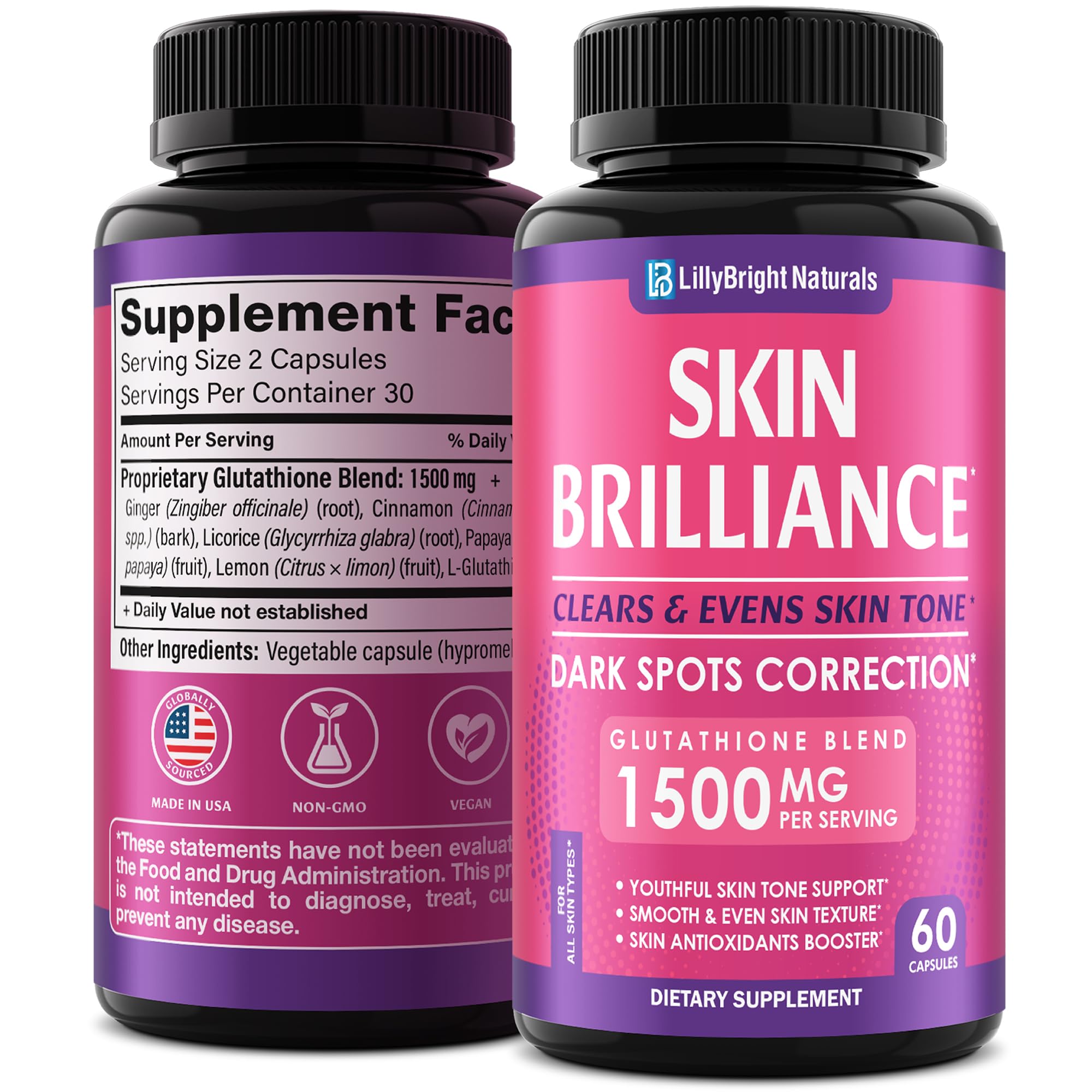
- Transparent labeling: clear ingredient list, actual glutathione content per serving, and no mystery “proprietary blends.”
- Third-party testing: look for evidence of quality checks (COA/CQP-type information, or at least a clearly stated testing approach).
- Reasonable dose for your trial: a product that’s extremely low may not be worth your time; one that’s extremely high without clarity may raise red flags.
- Appropriate excipients: especially if you’re sensitive—watch for fillers, added dyes, or unnecessary fragrances in topical products.
If you want to reduce confounding variables for skin timeline testing, choose a product that is close to “glutathione only” (or at least where you clearly know what else is inside).
Comparison of Common Options
| Format | Typical Dose/Use | Pros | Cons | Cost | Best For |
|---|---|---|---|---|---|
| Oral glutathione capsule/tablet | Often ~250–500 mg/day (varies) | Easy to trial consistently; simple routine | Results are gradual; absorption varies | Low to medium per month | Women wanting a low-friction, cautious experiment |
| Sublingual/dissolvable glutathione | Varies by brand; used daily | Some people prefer routine; may feel gentler | Evidence of superiority isn’t consistent; often pricier | Medium to high per month | People who dislike swallowing pills |
| Topical glutathione serum/cream | Applied once or twice daily | You can observe tolerability quickly; supports glow via base | True pigment effects can still take weeks/months; formula quality varies | Medium per month | Those prioritizing skincare feel and quick tolerability checks |
| Oral glutathione + boosters (e.g., vitamin C/NAC) | Daily combo products (varies) | May support antioxidant network; easier to “bundle” skincare goals | Harder to know whether glutathione is responsible for changes | Medium to high per month | Those who want a broader antioxidant approach |
| Clinician-administered injection/medical protocol | Protocol-dependent; clinician guided | Not comparable to supplements; may be considered for specific contexts | Higher risk considerations; not a DIY supplement decision | High per session/course | People under medical guidance with clear risk/benefit discussion |
Buying Framework and Red Flags
Here’s a practical way to decide how to buy glutathione without falling for overhyped timelines. Use this checklist like you’re reviewing a consumer product you might keep for 2–3 months.
- Check the label for exact glutathione amount (not vague “proprietary antioxidant complex”).
- Pick one variable: if you’re testing glutathione for skin timeline, avoid complicated mixes at first.
- Look for transparent quality testing (third-party or at least verifiable documentation).
- Assess the dose-to-price fit: if the cost is high but the dose is tiny, that’s not a good sign for a long-tail “how long” question.
- Avoid absolute outcome claims like “guaranteed whitening in 14 days.”
- Confirm how it’s supposed to be taken: timing with food, consistency expectations, and whether daily dosing is required.
- Be wary of “miracle bundles” where the product is marketed as solving all skin issues at once.
- Watch for “too good” sourcing: no sourcing transparency, no manufacturing standards mentioned, or no batch info.
Common Mistakes and How to Avoid Them
Most “it didn’t work” stories aren’t evidence glutathione is useless—they’re evidence the trial wasn’t designed to detect subtle change. Here are the mistakes I’d actively avoid:
- Starting without baseline photos: skin tone and brightness shift with lighting. Take photos in consistent natural light.
- Changing too many products at once: new cleanser, new retinoid, new vitamin C—then it’s impossible to know what helped.
- Inconsistent dosing: since any glutathione impact (if it happens) is gradual, missed days blur the timeline.
- Expecting “weeks” to replace “months”: for uneven tone, faster expectations often lead to disappointment.
- Ignoring sunscreen: if you don’t prevent new pigment signals, your “results” may be masked by ongoing exposure.
- Chasing higher and higher doses immediately: don’t jump doses without a structured plan, especially if you notice side effects.
If your goal is to answer “how long does glutathione take to show results for skin,” the real skill is running a controlled, calm experiment.
FAQ
Is it proven that glutathione helps skin tone and brightness?
Evidence suggests glutathione may support antioxidant processes linked to skin appearance, but results are not uniform across studies and people. Think of it as a potential support for brightness/appearance rather than a guaranteed pigment solution.
How long does glutathione take to show results for skin in women 45–54?
If you’re going to notice anything, a common consumer timeline is: subtle changes around 4–8 weeks, with more noticeable “appearance” changes often taking 8–12+ weeks. Deeper tone concerns may require 3–4 months to judge properly.
What side effects can glutathione cause?
Reported issues vary by person and product form. Possible side effects include stomach discomfort or mild reactions in sensitive individuals. If you notice itching, swelling, severe rash, or worsening symptoms, stop and seek medical advice. If you have a condition or take medications, ask a clinician first.
Can you combine glutathione with vitamin C, collagen, or other skincare routines?
Often, yes—many people combine glutathione with other antioxidants or skincare ingredients. However, if you’re testing whether glutathione works, combining multiple new actives at once makes it harder to attribute changes. For a clean timeline, add one variable at a time.
What’s the difference between oral glutathione and injection/alternative approaches for skin?
Oral supplements are a daily, at-home approach and usually involve gradual, appearance-based expectations. Injection or medically administered protocols are a different category with separate risks, oversight, and expectations. “Oral vs injection” isn’t an apples-to-apples comparison—talk to a clinician if you’re considering medical administration or any alternative approach.
A Practical 2-Week Experiment Framework
Glutathione results for skin often take longer than 2 weeks, but a short trial can help you decide whether the product is tolerable and whether your routine is set up to detect change. Use this simple framework:
- Day 1 (baseline): take 6–8 photos (front, both sides, jawline/neck) in consistent lighting. Note your current routine and skin feelings (dullness, dryness, visible unevenness).
- Days 2–7 (consistency): start your glutathione as labeled (or as your routine allows). Don’t introduce new actives during this window.
- Days 3–4 (check tolerability): watch for stomach upset, headaches, rashes, or unusual irritation—especially if you’re sensitive to supplements or acids.
- Days 8–14 (routine match): keep sunscreen and cleanser unchanged. If your skin is irritated, pause and reassess; irritation can mask any brightness changes.
- End of Day 14 review: you’re not judging “final results.” You’re judging: (a) tolerability, (b) consistency feasibility, and (c) whether you’re likely to see change later if you continue.
A realistic decision rule: if you have no tolerability issues but you also see no early “comfort” changes (like reduced dullness from dryness) you still may continue for 8–12 weeks—just adjust expectations and keep your trial controlled.
If you experience side effects or increased irritation, don’t push through. Stop the product and get advice.
About the Author
Marianne Holt is a consumer-review-focused skincare writer who specializes in ingredient clarity, realistic timelines, and dose transparency for supplement and topical products. She has spent years editing and refining consumer education content for adult skincare routines, with emphasis on cautious interpretation of evidence, practical regimen design, and documenting outcomes with baseline photos. Her review style is intentionally conservative: she prioritizes how products fit into real routines, includes failure cases (including “no noticeable change” timelines), and highlights red flags like unclear labeling or guaranteed claims. This article is for informational purposes only and is not medical advice. If you’re pregnant, breastfeeding, have a medical condition, or take medications, consult a qualified clinician before using glutathione or any supplement—especially if you’re considering higher doses or injection/medical protocols.
Discussion