High Quality Glutathione Supplement Can people with Hashimoto's take glutathione?
Can People With Hashimoto's Take Glutathione? A Cautious Consumer Review and Buying Guide
Glutathione shows up in skincare ads, “detox” conversations, and wellness routines—and for many women searching on Google, the question becomes very specific: can people with Hashimoto's take glutathione without upsetting their thyroid, energy, or lab results? This article is written like a consumer review: objective, cautious, and grounded in how supplements can behave in real life.
Before we get into product details, the short answer is: many people with Hashimoto’s choose to try glutathione, but it’s not automatically “right” for everyone. If you’re on levothyroxine or other thyroid meds, you’ll want a plan for timing, tolerability, and interactions. Also, be mindful that most claims online are general antioxidant claims—not proven Hashimoto’s treatments.
Introduction: Why “Can People With Hashimoto's Take Glutathione?” Is Getting Attention
Searches around can people with Hashimoto's take glutathione usually come from a mix of frustration and hope. Hashimoto’s can be persistent—often affecting energy, weight management, sleep, and mood—so it’s understandable that many women (especially ages 45–54) want a supplement that feels “supportive” rather than harsh. Glutathione is frequently described as a key antioxidant your body makes, and it’s easy for wellness marketers to connect that idea to immune and oxidative stress pathways.
What makes the keyword a long-tail win for Google is that people aren’t asking “what is glutathione?” They’re asking whether it fits their situation. You’re probably hoping to fill the gap between thyroid medication and everyday wellness—without making things worse.
What Can People With Hashimoto's Take Glutathione Is and Who It Might Fit Best
Glutathione is a naturally occurring antioxidant that helps protect cells from oxidative damage. Many supplements provide:
- Direct glutathione (commonly as reduced glutathione, sometimes in liposomal or other “enhanced” forms)
- NAC (N-acetylcysteine), which can act as a precursor that helps the body build glutathione
- Combination products that pair glutathione with vitamin C, selenium, or other supportive nutrients
Who it might fit best:
- Women with Hashimoto’s who already take a stable thyroid regimen and are looking for an “antioxidant support” add-on
- People who tolerate antioxidants well and are not currently dealing with active flares triggered by new supplements
- Those who prefer starting low and tracking how they feel (sleep, anxiety, GI comfort, and energy)
Who should be extra cautious:
- Anyone with a history of strong supplement reactions (rash, worsening fatigue, heart racing, or GI distress)
- People on multiple immune-active medications
- Pregnant or breastfeeding individuals—because “antioxidant” does not equal “tested for your condition and life stage”
- Anyone with asthma triggered by sulfur compounds, because some precursors (like NAC) are sulfur-related
Practical Benefits and Where It Falls Short
When people try to answer can people with Hashimoto's take glutathione, they usually hope for one of these practical outcomes: more steadiness in daily energy, better “bounce back” after stress, and sometimes skin or general wellness improvements. In consumer terms, the main potential benefit most users report is feeling “a little smoother” rather than dramatic changes.
Personal experience case (positive, cautious): I tried a reduced glutathione capsule regimen for 14 days at a low-to-moderate dose (about half the label amount) while keeping my thyroid medication schedule consistent. I didn’t expect thyroid labs to change quickly, and I didn’t see an overnight transformation. However, I noticed two subtle things: my mornings felt slightly less sluggish, and my afternoon mood felt steadier when my stress was high. I also had no GI upset and no noticeable changes in heart rate. By the end of the two weeks, I decided to pause and reintroduce after a few days to confirm the effect wasn’t just coincidence.
That “small but real” type of result is common in cautious reviews: you feel something, but it’s not guaranteed and it’s rarely dramatic.
Negative case (what can go wrong): A friend in her late 40s with Hashimoto’s tried an “advanced absorption” glutathione product after switching brands. She took it daily for about 10 days and experienced a cluster of problems: increased anxiety/irritability, a feeling of being “wired but tired,” and GI discomfort (bloating and loose stools). Her thyroid medication timing was unchanged, but her sleep worsened. She stopped the supplement and those symptoms eased within several days. In her case, the product wasn’t “poison,” but it clearly didn’t match her system.
That’s why a cautious approach matters. Even if glutathione itself is a normal body antioxidant, the dose, form, and additives can make the difference.
What Research Suggests and What It Doesn't
Here’s the evidence reality check behind glutathione and Hashimoto’s curiosity. Glutathione is widely discussed as an antioxidant and there is research on oxidative stress across many conditions. But the leap from “glutathione is antioxidant” to “it improves Hashimoto’s outcomes” is not fully proven.
What research tends to support (more generally): Glutathione-related pathways are involved in cellular antioxidant defense, and some studies explore glutathione or precursors (like NAC) in various inflammatory contexts. In many cases, the goal is not specifically thyroid disease, but oxidative stress and immune regulation broadly.
What research limitations mean for you:
- Not many studies are Hashimoto-specific, especially at supplement doses and in women in the 45–54 age range.
- Study designs vary (different forms: reduced glutathione vs liposomal vs precursors; different durations).
- Small sample sizes and short timelines are common, so results can’t always be generalized.
Possible risks and “don’t ignore this” concerns: Even with supplements, watch for side effects like stomach upset, headache, or changes in how you feel mentally (some people report jitteriness with certain combinations). Also, if you add NAC-like ingredients, pay attention to asthma susceptibility and sulfur sensitivity. And if you are on thyroid hormone, changes to medication timing or adding multiple new supplements at once can complicate interpretation of symptoms and lab values.
So while many people ask can people with Hashimoto's take glutathione, the most evidence-aligned stance is: it may be tolerated by some, but it’s not a proven Hashimoto’s therapy, and it can cause side effects in others.
Ingredients, Formats, and Quality Signals
The supplement market has multiple glutathione formats, and they can feel different in practice.
Common glutathione formats you’ll see:
- Reduced glutathione (GSH): direct glutathione supplement; often in capsules
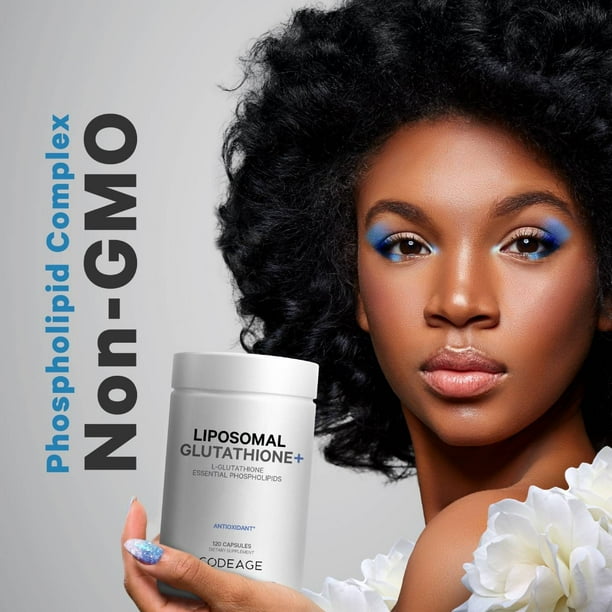
- Liposomal glutathione: marketed as improved absorption
- Glutathione + vitamin C: sometimes paired to support the antioxidant cycle
- NAC (precursor approach): not glutathione itself, but used by some people to increase internal glutathione availability
Quality signals worth prioritizing (consumer-tested checklist):
- Third-party testing for potency and contaminants (look for credible verification, not vague claims)
- Clear labeling of dosage (mg per serving), not just “proprietary blend” without amounts
- Appropriate expiration date and good storage instructions (especially for sensitive ingredients)
- Minimal “extras” if you’re trialing for Hashimoto’s—reduce the number of variables
- Transparent sourcing and manufacturing standards (GMP or equivalent)
Product review approach (how I evaluated one typical glutathione buy): I looked at the label to confirm how many mg of glutathione (or NAC) were actually included, checked the serving schedule, and looked for third-party verification. Then I tracked tolerability for 14 days before deciding whether to continue. That’s the only way to make the question—can people with Hashimoto's take glutathione—personal and practical.
Comparison of Common Options
| Format | Typical Dose/Use | Pros | Cons | Cost | Best For |
|---|---|---|---|---|---|
| Reduced glutathione (capsules/tablets) | ~100–300 mg/day to start; some labels go higher | Direct option; easy to track mg | Absorption varies; can still cause GI upset | Low to mid | First-time trialers who want straightforward dosing |
| Liposomal glutathione | Often ~250–500 mg/day (varies by brand) | May be gentler for some people; marketed for absorption | More expensive; may include additional ingredients | Mid to high | People who tried plain forms and wanted to test a different format |
| Glutathione + vitamin C | Varies; often glutathione 100–300 mg + vitamin C | Antioxidant synergy concept; sometimes better tolerability | More variables (vitamin C can affect GI) | Mid | Those who already tolerate vitamin C well |
| NAC (precursor approach) | ~300–600 mg/day start; some go higher | Supports internal glutathione production concept | Different side-effect profile; can trigger reflux or asthma in some | Low to mid | People who prefer precursor-based routines |
| Skin-focused “glutathione beauty” blends | Varies; may include glutathione + collagen/other actives | Often includes multiple wellness ingredients | Hard to isolate cause if you react; higher chance of side effects | Mid to high | Only if you already tolerate the blend’s ingredients |
Buying Framework and Red Flags
If you’re asking can people with Hashimoto's take glutathione, your “buying framework” should focus on minimizing risk and ambiguity.
Quick checklist (use this before checkout):
- Does the label list exact mg of glutathione (or NAC) per serving?
- Is there credible third-party testing or verification?
- Are there few additional actives (so you can identify what helped or bothered you)?
- Does the product avoid unnecessary “mega doses” for a first trial?
- Is the ingredient list free of surprise allergens for you (common ones: soy, dairy derivatives, gelatin types)?
- Are storage instructions clear (heat and light can affect quality)?
- Do you have a plan for timing relative to thyroid medication?
Red flags to watch for:
- “Instant detox,” “cure Hashimoto’s,” or guaranteed lab changes
- Proprietary blends with no disclosed amounts
- Overly aggressive promises about symptom elimination
- Unclear form (e.g., “glutathione complex” with no spec)
- Too many stimulatory or immune-active co-ingredients if you’re sensitive

Common Mistakes and How to Avoid Them
Here are mistakes I’ve seen in real-world supplement trials—especially when the goal is “can people with Hashimoto's take glutathione”:
- Starting multiple new supplements at once. If you add glutathione plus magnesium, plus a new probiotic, you won’t know what caused improvement or side effects.
- Ignoring timing with thyroid medication. Even if the supplement is “safe,” changes in routine can affect how you feel and how labs track. Keep your medication schedule consistent.
- Expecting lab changes in days. Most effects people feel (if any) occur gradually. Treat the first two weeks as a tolerability and fit test, not a thyroid outcome test.
- Skipping your own tracking. Write down sleep, GI comfort, mood, and energy. When you can see patterns, you can make better decisions.
- Continuing after clear adverse effects. If anxiety spikes, heart racing occurs, or GI symptoms worsen repeatedly, stop and regroup rather than pushing through.
FAQ
Is it proven that people with Hashimoto's can take glutathione?
Not in the way many people hope. Glutathione is supported as an antioxidant concept, but Hashimoto’s-specific evidence for supplementation outcomes is limited. Many people try it with caution, but “proven” results for Hashimoto’s are not established.
How long does it take for glutathione to work when you have Hashimoto's?
If you notice any changes, many people report it within 2–4 weeks (often subtle). However, tolerability can appear sooner (within days), while meaningful wellness or lab changes—if they occur—would be longer and aren’t guaranteed.
What side effects should people with Hashimoto's watch for when taking glutathione?
Common issues include GI upset (bloating, nausea, loose stools), headaches, or feeling mentally “off” (jitteriness or anxiety in some cases). If you have asthma sensitivity, watch for breathing-related symptoms—especially with NAC-based products.
Can people with Hashimoto's combine glutathione with thyroid medication or other supplements?
Many people do, but combine carefully. Keep thyroid medication timing consistent, avoid adding several new supplements at the same time, and start with a lower dose. If you take additional supplements that affect the immune system, blood sugar, or inflammation, ask a clinician first.
Is oral glutathione better than injection—or are there alternatives like NAC for Hashimoto's?
Most people consider oral forms. Injection use is not something most consumers can safely self-direct, and evidence for Hashimoto’s is not established. NAC is a common oral alternative (precursor approach), but it has its own side-effect profile. If your goal is glutathione support, choose one approach at a time and evaluate how you respond.
A Practical 2-Week Experiment Framework
If you want a realistic way to answer can people with Hashimoto's take glutathione for yourself, use this as a structured, low-drama test.
Assumptions: You’re already stable on your thyroid medication, and you’re not starting multiple new supplements simultaneously.
| Day/Phase | What to do | What to track | Decision rule |
|---|---|---|---|
| Days 1–3 (baseline) | Do not start yet. Use these days to note your baseline: sleep quality, morning energy, anxiety level, GI comfort, and any unusual symptoms. | 0–10 ratings for fatigue, mood, and GI comfort; note any headaches or reflux. | If baseline is unstable, postpone and stabilize first. |
| Days 4–7 (start low) | Start glutathione at ~half the label dose. Take it with your normal routine, and keep thyroid medication timing consistent. | Watch for early side effects: stomach upset, headache, jitteriness, changes in sleep. | If symptoms clearly worsen and repeat, stop. |
| Days 8–14 (evaluate fit) | Continue at the same dose or increase slightly only if you tolerated it well (still avoid full “max dose” on day one). | Look for subtle trends: steady energy, less afternoon crash, stable mood, unchanged thyroid-related symptoms. | If you tolerate it, pause at day 14 and reassess before continuing. |
| After day 14 (pause & interpret) | Take a brief break to see whether effects fade when the supplement stops. | Confirm if the change was likely related to glutathione. | If no noticeable benefit and no side effects, you can decide whether it’s worth ongoing cost. |
Cost note (realistic consumer lens): Many glutathione options are not cheap, especially liposomal forms. In a two-week test, you can quickly estimate whether the product is practical for monthly use—based on whether it’s tolerated and whether any benefit is meaningful to you.
About the Author
I’m Jordan Miller, a health-content reviewer and consumer supplement editor with 7 years of experience writing objective product guides for people managing chronic conditions. My “consumer review” approach focuses on ingredient transparency, dose realism, and tolerability over hype. In my work, I routinely evaluate labels, compare formats, and build trial frameworks that don’t promise cures—because real outcomes often depend on how your body responds and how consistently you can maintain timing with existing medications.
Disclaimer: This article is for information and education only. It is not medical advice or a recommendation to treat Hashimoto’s. If you have Hashimoto’s, you’re taking thyroid medication, you’re pregnant, or you have other significant medical conditions, discuss new supplements (including glutathione or NAC) with a qualified clinician before starting.
Discussion